




Arelis’s Story
Kameron’s Story

John’s Story

Tiara’s Story
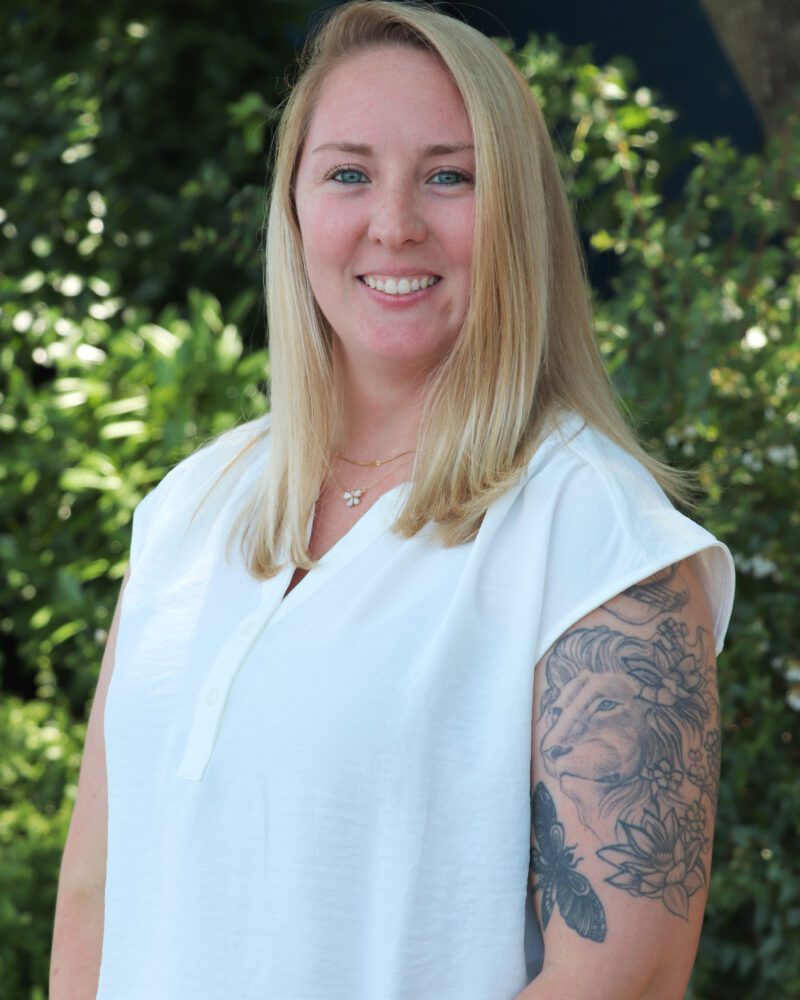
Marissa’s Story
Arelis’s Story
At 14, Arelis found herself battling the heavy weight of depression, exacerbated by abuse, instability, and intergenerational trauma. By 18, her life was marked by hospitalizations and multiple suicide attempts. A reflection, she now understands, of deep emotional pain and a desperate search for help. “There was no one to show me that resources were available,” she shared. “No one pointed me in the right direction, unless it was too late or close to too late.”
A school-based therapist referred Arelis to TIP, and she met her mentor while still hospitalized. Entering the program at one of her lowest points, Arelis discovered more than just a service; she found a support system that truly understood her. Through community-based support and strengths-based guidance, TIP helped her reimagine her future and rediscover her authentic voice.
Navigating cultural barriers was a significant challenge. Raised in a traditional Hispanic household, mental health struggles were often met with silence or spiritual judgment. Despite this, Arelis persevered, finding immense strength in her cultural identity, thanks to TIP. “My culture didn’t accept my feelings, but TIP did. My mentor always tried to listen and understand and to get on my level. It finally felt validating and not selfish to want to feel better.”
TIP created a vital space for healing that extended beyond typical clinical goals. Arelis developed a strong, trusting relationship with her mentor and began setting meaningful short- and long-term goals. Her proudest achievement? “Living a boring life.” For someone whose life had been defined by chaos, stability and peace became the ultimate markers of progress. With TIP’s guidance, she embraced positive outlets like volunteering, reconnected with personal interests, prioritized her physical health, learned to set healthy boundaries, and addressed driving-related anxiety and relationship challenges.
“I used to think that my life could just be tossed away, but TIP helped me understand that this isn’t just about surviving anymore. It’s about building the life you want and truly deserve.”
Today, Arelis is married and a loving mother to a two-year-old girl. She is a fierce advocate for herself, her family, and others, crediting the TIP team with helping her break destructive intergenerational cycles. “They didn’t just see what was wrong, they saw my strengths. I’ve always known they were there, but TIP helped me believe in them.”
For Arelis, healing isn’t about erasing her past; it’s about reclaiming her narrative and forging a stronger future. If she could speak to her 14-year-old self, she’d offer this powerful message: “Life is not always going to be this way. The abuse wasn’t your fault and life will become boring.”
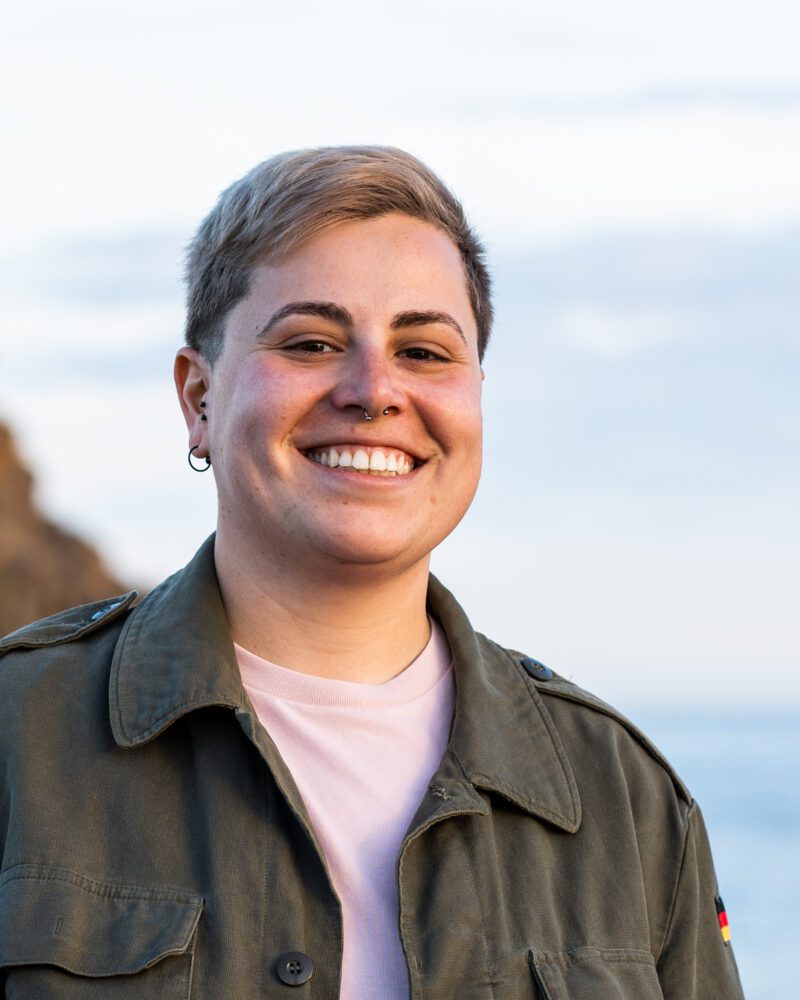
Kameron’s Story
When Kameron first connected with a mentor, they were unemployed, without transportation, and feeling isolated. They had stepped away from two programs and needed significant support with their mental health. At that point in their life, it was difficult to imagine what their future could become. Their mentor met them with empathy, honesty, and clear communication. They helped coordinate Kameron’s care, but the mentor also treated them as an equal and encouraged them to take the lead in their own life.
One of the moments Kameron remembers most happened in the Bethlehem office while they were searching for a car they could afford. Their mentor helped them consider their options, understand the financial responsibilities, prepare for problems that might come later, and even assisted with the car when they needed it. More than that, their mentor became one of their biggest cheerleaders.
With their support, Kameron began building a life they once struggled to picture. They became a Peer Support Specialist, found employment, bought their own car, moved into their own place, and made progress toward their health goals. Along the way, Kameron became more confident, resilient, financially literate, and connected to others in their community. TIP changed their life, but it didn’t take over their journey. It helped them recognize their own strength. The pain that once made it hard for Kameron to see ahead now reminded them of everything they survived and how brightly they can shine. That experience also awakened a passion in them to support others, just as their community supported them.
Support is what community is for; it’s okay that you may not be able to do some things alone- YET!!! You can do this, you are here and are a blessing to be gifted to the world. There is no shame in needing someone in your corner. We do not grow through isolation.
“We grow through community, shared experiences, and people who remind us that even when we cannot do something alone yet, we are still capable of becoming who we want to be.”
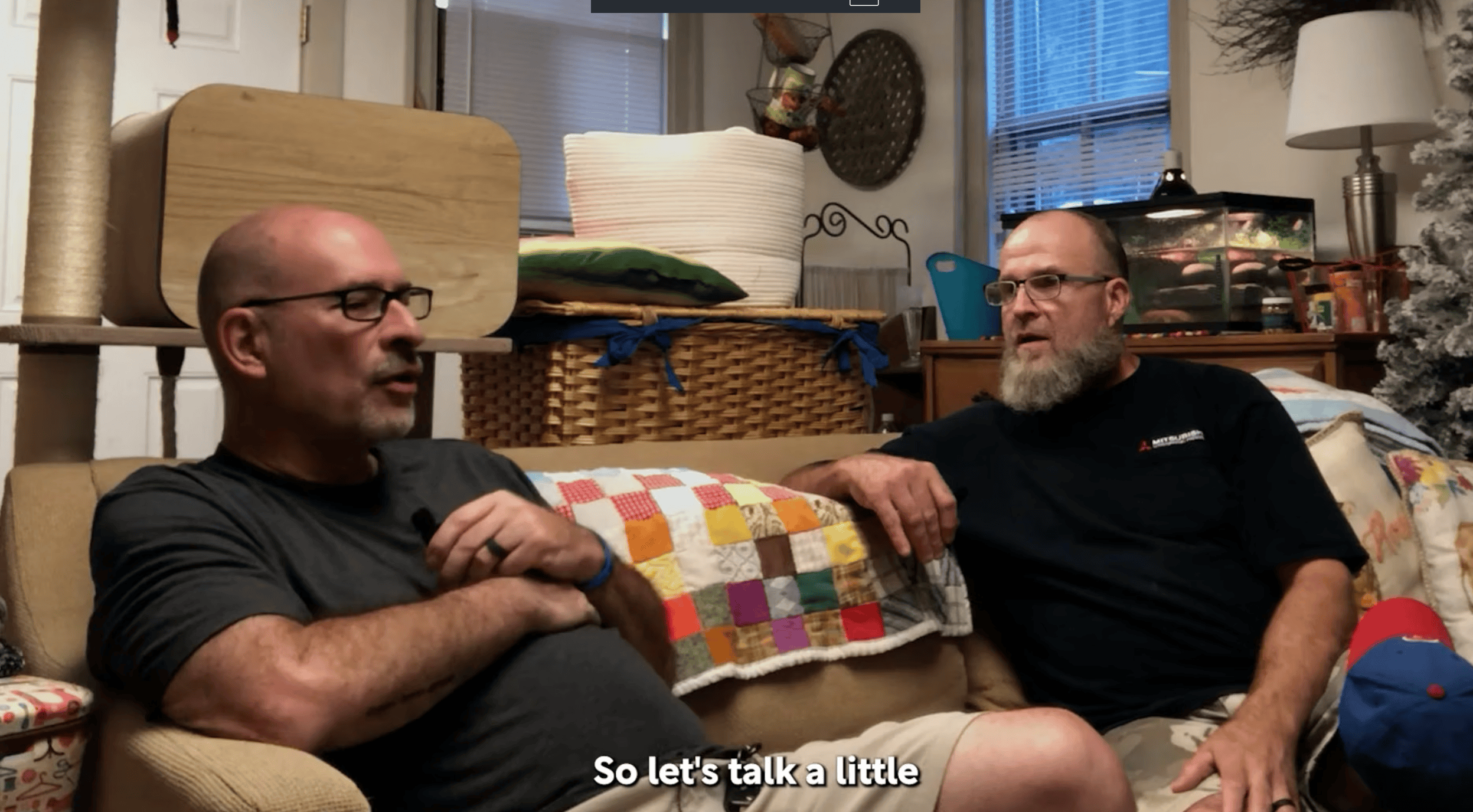
John’s Story
When John was referred to TIP through Valley Youth House, he was carrying the weight of significant childhood trauma and struggling to navigate the challenges of adulthood on his own. Everyday tasks, appointments, and major life decisions felt overwhelming. Through TIP, he found more than support, he found people who believed in him.
His mentor, Whitney, became a huge support. She helped John become more independent, learn to set healthy boundaries, and find his voice. One moment in particular stands out, he needed to move to a new apartment and had no way to transport his belongings. Whitney rallied other mentors to help John. Together, they loaded cars, moved boxes, and made sure he could start fresh in his new home. What felt impossible alone became manageable because of a team that cared enough to show up.
Since joining TIP, John has achieved goals he once thought were out of reach. He’s especially proud of getting his license. That was a huge obstacle because driving was extremely challenging for him. He also learned to stand up for himself, and gained the confidence to face his future. Along the way, he also found understanding and support as he worked through difficult experiences from his past. He says TIP has been an overwhelmingly positive experience. He learned so much and has taken away so many lessons to apply to his life.
“It’s a team effort. It’s not just therapy or clinical practice… it’s conquering your goals in a fun and challenging way that makes you want to do better for yourself.”
Tiara’s Story
As high school graduation approached, Tiara wasn’t sure what came next. She knew she couldn’t navigate the future on her own, so her SITES counselor encouraged her to get connected with support in her community. That recommendation changed her life.
Tiara’s mentor became someone she could count on: funny, helpful, smart, caring, and always in her corner. Together, they worked toward goals she never thought were possible. Her mentor helped her move into an independent living program, where for the first time she could begin building “a life of her own”. Her mentor also helped her access benefits, search for employment, and study for her learner’s permit.
Those steps led to achievements she’s incredibly proud of: earning her learner’s permit, living independently, and eventually buying her first car. More than any specific accomplishment, her mentor helped her believe that she could succeed. Through her mentor’s support, she learned that her disabilities, her past, and her struggles with self-esteem did not define her future. She discovered that asking for help is not a shortcoming, but rather the first step towards the future.
Today, she knows she’s capable, and never alone. And if she could tell someone beginning their own journey one thing, it would be this: “You’re in good hands. It’s not a weakness to have help reaching your goals and building the life you want.”
Marissa’s Story
Marissa’s journey illustrates the profound impact that coordinated community supports, trauma‑informed care, and mentorship can have on a young person navigating adversity. Removed from her biological parents’ custody at age nine due to abuse and neglect, she entered the foster care system with her twin sister. Her first foster placement offered stability, educational support, and a nurturing environment, an experience that remained formative even decades later.
Following two years in foster care, Marissa transitioned into kinship care with her aunt, uncle, and four cousins. Although they worked to create a sense of normalcy, significant trauma and family strain persisted beneath the surface. During adolescence, Marissa began therapy through NOVA, marking the first time she spoke openly about her history of abuse, neglect, and the emotional burdens she had long carried alone. The therapeutic relationship continued into early adulthood and became a crucial source of stability.
At age 19, following an inpatient hospitalization and without a permanent residence or reliable family support, she entered the adult mental health system.
It was during this transition that Marissa was introduced to the TIP (Transition to Independence Process) program. As one of the earliest youth participants in Bucks County, she found the program deeply impactful. Through TIP, she connected with a facilitator who provided nonjudgmental support, life‑skills coaching, and consistent guidance as Marissa navigated housing through a CRR program, employment, and the early responsibilities of adulthood. Participation in “My Life,” a youth leadership and empowerment group operated by Magellan, further reinforced her developing identity as both a peer and a leader.
TIP and My Life offered Marissa more than services, they provided purpose. Through peer mentorship, she discovered a path where her lived experience could be used to support others facing similar challenges. With support from her TIP facilitator, she pursued and earned certification as a Certified Peer Specialist (CPS). This milestone led to roles at Access Services and Bucks Life, where she provided peer support to transition‑age youth. Her credibility, empathy, and lived expertise helped her connect with young people who often struggled to trust adults.
Over the next several years, Marissa advanced into increasingly responsible positions, including roles in High Fidelity Wraparound and as Magellan’s Youth Support Coordinator for Bucks County. Despite not holding a college degree, she continually demonstrated leadership, professional competency, and a deep understanding of youth needs grounded in both training and lived experience. Her growth reflects the value of recognizing nontraditional pathways into behavioral health careers and the importance of elevating lived experience within service delivery frameworks.
More than a decade after graduating from TIP, Marissa returned to Access Services in a supervisory capacity as the Director of the Bucks LIFE program. Her full‑circle journey highlights the long‑term effectiveness of mentorship, peer support, and community‑based care. Today, she continues to serve transition‑age youth while preparing to welcome her first child, an important personal milestone for Marissa, underscoring the life she dreamed of building.
Marissa’s story demonstrates the transformative power of compassionate adults, trauma‑responsive programming, and opportunities for youth to gain skills, support, and purpose. It underscores the importance of investing in mentorship and peer‑driven services, which can provide not only immediate stabilization but pathways to resilience, leadership, and long‑term wellbeing.